 VoicePrivate
Buy Now
VoicePrivate
Buy Now
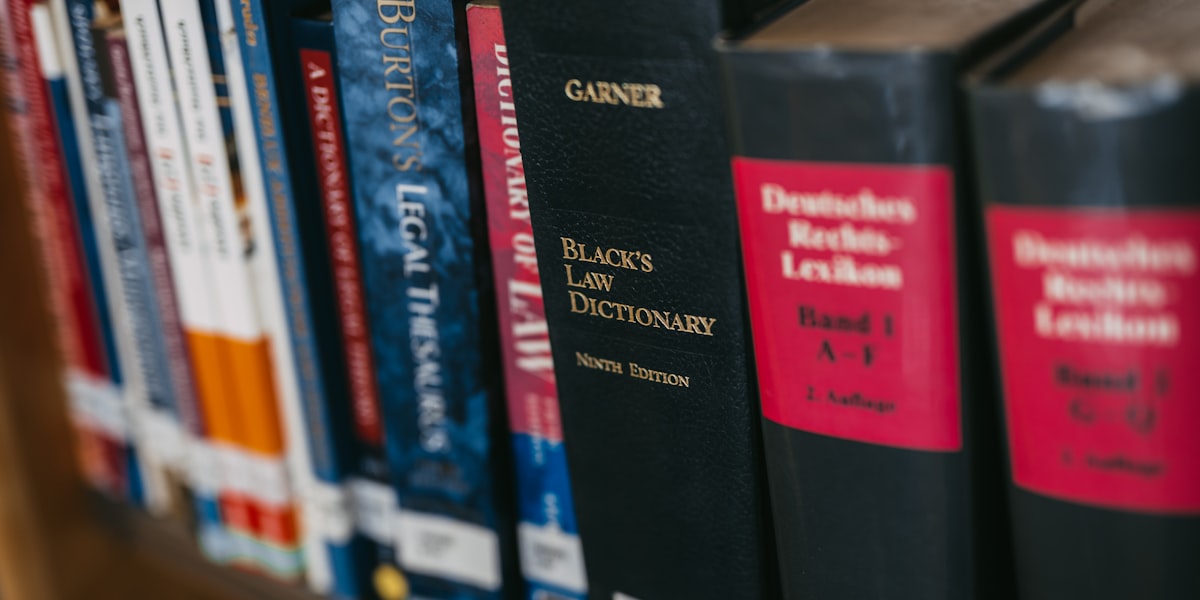
Most lawyers understand that emailing privileged documents over unsecured channels is risky. Fewer have thought about what happens when they dictate a case summary into a cloud-based transcription app. The audio leaves their device, travels to a third-party server, gets processed by models trained on pooled data, and sits in storage they do not control. That is a privilege problem.
Privilege Requires Confidentiality
Attorney-client privilege protects communications made in confidence for the purpose of obtaining legal advice. The operative word is confidence. Once a privileged communication is voluntarily disclosed to a third party, the privilege can be waived. This is black-letter law in every jurisdiction.
Cloud transcription introduces a third party into every dictation session. The provider's servers receive your audio. Their employees may access it for quality review. Their subprocessors handle storage and compute. Each link in that chain is a potential disclosure point.
The Voice Data Problem Most Lawyers Miss
Written documents are easy to think about as privileged. Lawyers are trained to mark them, store them carefully, and control access. Voice data is different. It feels ephemeral. You dictate a memo, get text back, and move on. But the audio was captured, transmitted, and stored by someone else.
Consider what a typical dictation session contains:
- Client names and matter details. You say them out loud when dictating case notes.
- Legal strategy. Draft arguments, settlement positions, and case assessments are common dictation content.
- Witness information. Deposition prep, witness evaluation, and interview notes routinely contain privileged analysis.
- Voiceprint biometrics. Your voice itself is biometric data that identifies you and, by context, your client.
All of this goes to a third-party server when you use a cloud transcription service. The text output is not the only privileged material at stake. The audio itself is.
What the ABA Technology Competence Duty Means Here
Comment 8 to ABA Model Rule 1.1 requires lawyers to stay current with "the benefits and risks associated with relevant technology." Over 40 states have adopted this standard. It means you have an affirmative duty to understand where your dictation data goes.
Model Rule 1.6(c) adds a second layer: lawyers must "make reasonable efforts to prevent the inadvertent or unauthorized disclosure of, or unauthorized access to, information relating to the representation of a client." Sending unencrypted audio to a cloud server without reviewing the provider's data handling practices falls short of this standard.
Subpoena Risk and Data Breach Exposure
Data stored on third-party servers is subject to subpoena. If your cloud transcription provider receives a subpoena for data associated with your account, they may produce it without notifying you. Even if you have a BAA or data processing agreement, the provider's legal obligations to respond to lawful process can override your contractual protections.
Breach exposure is the other risk. Cloud transcription providers are high-value targets because they aggregate sensitive data from thousands of users. A single breach at your dictation provider exposes every client matter you have ever dictated. Unlike a breach at your own firm, you have no control over the provider's security posture, incident response, or notification timeline.
The "Encryption" Misconception
Many cloud providers advertise "end-to-end encryption" or "AES-256 encryption at rest." This sounds reassuring but misses the point. To process your audio, the provider must decrypt it on their servers. Their models cannot transcribe encrypted audio. During processing, your privileged data exists in plaintext on infrastructure you do not own or audit.
This is not a theoretical concern. Multiple major transcription services have disclosed that human reviewers listen to user audio for quality assurance. Even if a service claims it has stopped this practice, you have no way to verify that from the outside.
What "On-Device" Actually Solves
On-device transcription eliminates the third-party disclosure problem entirely. When audio is processed locally on your computer, it never leaves your machine. There is no server to subpoena, no provider to breach, and no human reviewer listening to your privileged dictation.
VoicePrivate: Legal Edition runs 100% on your Mac. The speech recognition model downloads once and runs locally. Your audio stays on your device. No internet connection is needed after the initial setup. This is the simplest way to satisfy both Rule 1.1 technology competence and Rule 1.6 confidentiality obligations.
Practical Steps for Lawyers
- Audit your current dictation workflow. If you use any cloud-based transcription tool, review its terms of service for data retention, human review, and subprocessor access.
- Switch privileged dictation to on-device tools. Use cloud services only for non-privileged content. For anything touching client matters, use a local processing tool like VoicePrivate.
- Document your technology choices. Your competence duty includes being able to explain why you chose the tools you use. Keep a record of your evaluation.
- Review state bar ethics opinions. Many state bars have issued specific guidance on cloud computing for legal work. Check your jurisdiction's opinions for any additional requirements.
Privilege is binary. Once waived, it cannot be reclaimed. The question is not whether cloud transcription is convenient. It is whether the convenience justifies the disclosure. For most privileged legal work, it does not.
Try VoicePrivate risk free
A 30-day money-back guarantee on individual monthly and annual plans.